Landscaping Hoxton: Creating Beautiful, Practical Urban Outdoor Spaces
 Landscaping Hoxton is about more than making a space look attractive. In a busy inner-city setting like Hoxton, outdoor areas need to work hard, feel welcoming, and reflect the character of the neighbourhood. From compact courtyard gardens to shared terraces and front yards, thoughtful design can turn even the smallest patch of ground into a place that feels calm, usable, and visually striking.
Hoxton is known for its mix of creative energy, historic charm, and modern living. That combination makes landscaping in Hoxton especially interesting, because each property comes with its own layout, light conditions, and style. Some spaces are shaded by neighbouring buildings, while others receive strong sunlight for most of the day. Some gardens are narrow and enclosed, while others open onto larger communal areas. A successful landscape design responds to these conditions rather than fighting them.
 For many homeowners and property managers, the goal of Hoxton landscaping is to create a space that feels like a natural extension of the home or building. That means balancing beauty and function. A garden should be inviting, but it should also be durable, easy to maintain, and suitable for modern urban life. Carefully chosen planting, well-planned hardscaping, and smart use of levels can make a small outdoor space feel much larger and more versatile.
Why Landscaping Matters in Hoxton
Outdoor spaces in Hoxton often serve multiple purposes. They may be used for relaxing, socialising, dining, growing plants, or simply adding greenery to an urban environment. In a neighbourhood where space is valuable, every element needs to justify itself. That is why landscaping Hoxton projects often focus on intelligent design rather than excess decoration. Clean lines, practical surfaces, and planting that suits local conditions usually create the strongest results.
Good landscape design can also improve how a property feels throughout the year. A well-planned garden changes with the seasons, offering colour in spring, texture in summer, structure in autumn, and form in winter. In an area with dense buildings and limited open ground, this seasonal interest becomes especially important. Landscaping services in Hoxton often prioritise year-round appeal, because a garden should remain attractive even when flowers are not in bloom.
Another reason landscaping matters is the way it influences wellbeing. Urban life can feel fast-paced and noisy, and a well-designed outdoor area provides a valuable sense of escape. Even a modest courtyard can become a peaceful retreat when it includes layered planting, natural materials, and careful attention to privacy. This is one of the reasons many residents invest in Hoxton garden landscaping: it creates an environment that supports daily comfort as well as visual pleasure.
Understanding the Hoxton Landscape
 Hoxton presents a distinctive set of design conditions. Buildings are often close together, which affects sunlight, wind flow, and privacy. Pavement, brickwork, timber, and metal features frequently dominate the surrounding streetscape, so outdoor spaces need to sit comfortably alongside these materials. A successful Hoxton landscape design usually reflects the character of the area while introducing softer, more natural elements to balance the built environment.
Because of the urban density, many gardens in Hoxton are relatively small or irregular in shape. That does not limit their potential. In fact, compact spaces often benefit most from professional planning, because every metre must be used with intention. A narrow garden can be made to feel wider through the use of diagonal paths, mirrored repetition, pale paving, and layered planting. Vertical elements such as trellises, raised beds, and climbing plants can also make the most of available space.
The local architecture also influences design choices. Victorian terraces, converted warehouses, modern apartments, and mixed-use developments each call for different approaches. A garden beside a period property may benefit from classic materials and softer planting, while a contemporary roof terrace may suit a more minimal and architectural style. Landscaping Hoxton works best when it respects the setting instead of imposing a generic look that feels out of place.
Key Elements of Effective Landscaping Hoxton Projects
Successful urban landscaping usually combines several essential elements. These include structure, planting, materials, lighting, drainage, and usability. When these parts are planned together, the result is a space that feels cohesive and easy to live with. In landscaping Hoxton projects, the relationship between soft landscaping and hard landscaping is especially important because space is often limited and every feature is visible.
Hard landscaping provides the backbone of the design. Paths, patios, seating areas, retaining walls, edging, and raised planters all contribute to the organisation of the space. In Hoxton, where properties often have narrow access or compact footprints, these features must be carefully placed to avoid making the garden feel overcrowded. Smooth transitions between paved and planted areas can make the space appear more open and balanced.
Soft landscaping adds life, movement, and seasonal variation. Trees, shrubs, grasses, herbaceous planting, and climbers all play a role in softening urban edges and making a garden feel alive. The best planting schemes consider sunlight, shade, soil type, wind exposure, and maintenance needs. This is particularly important in Hoxton because microclimates can vary dramatically from one property to the next.
Planting Ideas for Hoxton Gardens
Plant selection is one of the most important decisions in any landscaping Hoxton project. The right plants can transform a plain outdoor area into a lush, layered, and engaging environment. Since many Hoxton gardens are affected by shade from surrounding buildings, it helps to choose species that thrive in partial shade or variable light. Ferns, hellebores, heucheras, hydrangeas, and evergreen shrubs can all perform well in such conditions.
Where sunlight is stronger, more vibrant schemes become possible. Lavender, ornamental grasses, salvias, rosemary, and Mediterranean-style planting can bring texture and fragrance to a bright terrace or courtyard. In these spaces, the goal is often to create a relaxed but polished atmosphere that feels both stylish and practical. Hoxton garden landscaping can use planting to create zones, define movement, and bring personality to the space.
Climbers are especially useful in urban gardens because they make use of vertical surfaces. Ivy, jasmine, clematis, and climbing roses can all soften walls and fences without taking up much ground area. Trellises and wire systems can support climbing plants while also creating a sense of enclosure and privacy. This is a clever solution for many landscaping Hoxton settings, where privacy is often as important as appearance.
It is also worth thinking about structure in winter. Evergreen planting, sculptural shrubs, and plants with interesting bark or seed heads can keep the garden visually appealing when flowers are not present. A well-designed planting scheme should feel balanced across all seasons rather than relying on a short burst of colour.
Materials That Suit Urban Landscaping in Hoxton
Material choice affects both the appearance and performance of an outdoor space. In Hoxton, popular materials often include natural stone, clay pavers, timber, gravel, porcelain paving, and metal accents. Each material creates a different mood, and the best choice depends on the style of the property and the intended use of the space. For landscaping Hoxton projects, material durability is just as important as visual appeal.
Natural stone brings timeless texture and a sense of permanence. It works well in gardens that aim for a classic or refined finish. Timber adds warmth and softness, making it ideal for seating, decking, screening, or raised beds. Gravel can provide a relaxed, low-maintenance finish that suits informal planting schemes and improves drainage. Porcelain paving offers a clean, modern look and is often appreciated for its easy upkeep and consistent appearance.
 Mixing materials can be highly effective if done carefully. A combination of paving and planting, or timber and stone, can create contrast and define different zones within the garden. However, too many competing finishes can make a small space feel chaotic. In Hoxton landscaping, simplicity often produces the strongest visual impact because it gives the eye room to rest.
Texture matters as much as colour. Smooth surfaces can make a space feel calm and contemporary, while rougher finishes add natural character. A good landscape designer will consider how materials feel underfoot, how they weather over time, and how they interact with light throughout the day. These details may seem subtle, but they strongly influence the overall quality of the space.
Designing for Small Spaces
Many properties in Hoxton have limited outdoor space, but that should never be seen as a disadvantage. Small gardens can be some of the most rewarding projects because they demand creativity and precision. With the right planning, even a compact area can feel spacious, practical, and beautifully composed. Landscaping Hoxton often focuses on making the most of every corner without cluttering the design.
One of the best ways to enhance a small garden is by creating clear zones. A seating area, a planting area, and a circulation path can each have a distinct purpose while still feeling connected. This organisation helps the garden feel larger because the layout is easy to understand. Raised planters and built-in seating can also save space by combining functions.
Vertical interest is another valuable tool. Walls, fences, and pergolas can all be used to introduce height, rhythm, and planting opportunities. Mirrors, pale surfaces, and linear layouts can also help expand the visual perception of a small space. In Hoxton garden landscaping, simple spatial tricks often have a greater impact than elaborate features.
Lighting can further enhance the sense of space. Discreet illumination along paths, under benches, or within planting beds can create depth and highlight structure after dark. This makes the garden feel usable in the evening while also adding atmosphere. A compact urban garden should never disappear after sunset; it should become a different kind of space with its own character.
Creating Privacy and Comfort
Privacy is a central concern in many urban outdoor spaces. In Hoxton, gardens and terraces may be overlooked from upper floors or neighbouring properties. Thoughtful landscaping Hoxton solutions can create a sense of enclosure without making the area feel closed in. Planting, screens, trellises, and layered structures all contribute to a more comfortable atmosphere.
Hedges and screening plants are excellent for creating soft boundaries. Bamboo, hornbeam, yew, and evergreen shrubs can all form effective green screens depending on the available space and desired maintenance level. For smaller gardens, narrower planting schemes or living walls may be more suitable. These approaches preserve valuable floor area while still providing privacy.
Built structures can also help. Pergolas, slatted panels, and timber screens introduce partial enclosure while allowing light and air to pass through. When combined with climbing plants, they become more attractive and less rigid. This balance is important in Hoxton landscaping, where privacy should feel natural rather than defensive.
Low-Maintenance Landscaping Options
Not every outdoor space needs intensive upkeep. Many residents prefer gardens that look polished without requiring constant attention. Low-maintenance landscaping Hoxton designs can still be attractive, colourful, and full of interest. The key is choosing materials and planting that work well together and do not demand excessive intervention.
Evergreen planting reduces seasonal gaps and keeps the garden structured throughout the year. Drought-tolerant plants can reduce watering needs, especially in sunny or exposed areas. Mulch, gravel, and dense planting can suppress weeds and support soil health. Hard landscaping features such as paved seating areas or raised beds can also reduce the amount of lawn or bare soil that needs care.
Automatic irrigation may be useful in some settings, but even without it, a well-planned garden can be relatively easy to manage. The right layout makes maintenance simpler by improving access and reducing awkward corners. In landscape design in Hoxton, convenience is often just as important as style because busy urban lifestyles leave little time for demanding garden routines.
Minimalist planting schemes can be especially effective for modern properties. Repeated groups of grasses, structured shrubs, and seasonal highlights can create a refined look with modest upkeep. This approach is not about doing less for the sake of it; it is about making smart choices that preserve quality without adding unnecessary complexity.
Blending Style with Function
One of the most satisfying parts of landscaping Hoxton is finding the point where aesthetics and function meet. A garden should not only look good in photographs; it should also support real daily use. Seating must be comfortable, paths must be practical, drainage must be effective, and planting must suit the site. The best designs are beautiful precisely because they are functional.
This is especially true in properties where the outdoor area connects directly to the interior. In such cases, the garden should feel like an additional room. Matching materials, echoing colours, or repeating shapes can create a smooth visual transition between inside and outside. A well-integrated outdoor space can make a property feel larger and more complete.
Function also includes sustainability. Choosing suitable plants, improving water management, and reducing wasteful materials can make a landscape more responsible as well as attractive. Landscaping Hoxton can contribute to a greener urban environment by supporting pollinators, softening hard surfaces, and increasing biodiversity in areas that might otherwise feel sterile.
The Role of Lighting and Evening Atmosphere
Lighting can completely change how a garden feels after dark. In Hoxton, where outdoor spaces are often used in the evening, subtle lighting adds both practicality and atmosphere. Path lights improve safety, while uplighting can reveal texture in planting, walls, or trees. A carefully lit garden often feels more spacious and more welcoming than one left in darkness.
Soft lighting is usually best for Hoxton landscaping. Harsh, overly bright fixtures can overwhelm small spaces and remove the sense of tranquillity that good design aims to create. Instead, layered lighting produces a gentle glow that highlights key features without dominating the scene. Warm tones tend to work well with natural materials and planting.
Lighting can also define zones. A dining area may need brighter, more focused illumination, while a relaxation corner may benefit from a lower and softer effect. When used with restraint, lighting extends the usefulness of the garden and adds another dimension to the design. Landscaping Hoxton is often at its best when it remains beautiful after sunset as well as during the day.
Seasonal Change and Long-Term Appeal
Good landscape design should develop gracefully over time. Plants mature, materials weather, and the character of a garden evolves. In Hoxton, where many outdoor spaces are relatively small, this long-term perspective is important because each change is noticeable. A strong design anticipates how the space will look in one year, five years, and beyond.
Seasonal change brings rhythm to the garden. Spring planting introduces freshness, summer offers fullness, autumn provides texture and colour, and winter reveals the underlying structure. A well-considered landscaping Hoxton scheme uses this cycle to keep the space engaging throughout the year. It does not depend on one season alone.
Long-term appeal also comes from timeless design choices. Simple forms, high-quality materials, and reliable planting combinations tend to age better than overly fashionable features. That does not mean the space should be dull. It means the design should be resilient, adaptable, and able to support changing needs without losing its identity.
What Makes a Strong Hoxton Garden Identity
Every successful garden has a clear identity. In Hoxton, that identity often reflects a blend of urban edge and natural softness. The best spaces feel connected to their surroundings while still offering a distinct escape. Landscaping Hoxton is not about copying a single formula; it is about shaping an outdoor environment that suits the property, the people who use it, and the neighbourhood context.
Identity can be created through repeated materials, a specific planting palette, or a strong structural feature such as a pergola, bench, or focal tree. These elements give the garden a sense of coherence. Without that coherence, even attractive features can feel disconnected. A clear design language helps everything belong together.
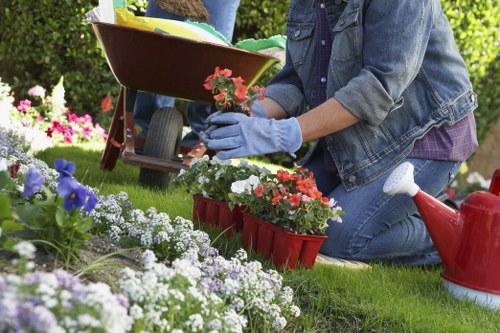 Personal taste also plays a major role. Some gardens lean toward lush greenery, while others favour a restrained, architectural look. Some owners want a sociable entertaining area, while others prefer quiet retreat and privacy. The most effective Hoxton landscaping accommodates these preferences while remaining grounded in the realities of the site.
That balance is what gives a garden lasting value. A thoughtfully designed outdoor space enhances the everyday experience of living in Hoxton. It can make a home feel more open, more peaceful, and more connected to nature, even in the middle of a dense urban setting.
Conclusion: Bringing Landscaping Hoxton Ideas to Life
Landscaping in Hoxton offers a unique opportunity to combine practicality, creativity, and urban character. Whether the space is a courtyard, terrace, front garden, or shared outdoor area, the right design can transform it into something genuinely valuable. Strong layout, suitable planting, quality materials, and careful attention to privacy all contribute to a garden that feels both beautiful and usable.
The most successful landscaping Hoxton projects are those that respond intelligently to their environment. They take into account light, scale, architecture, and lifestyle while still allowing room for style and personality. A good garden should not feel forced. It should feel like a natural part of the property and a pleasure to spend time in.
For anyone looking to improve an outdoor space in this vibrant part of London, the possibilities are broad. From lush planting schemes to sleek hardscaping, from compact designs to more generous layouts, Hoxton garden landscaping can be tailored to many different needs. With a careful and considered approach, even the smallest urban plot can become a memorable and rewarding place.