Health and Safety Policy for Landscaping Hoxton
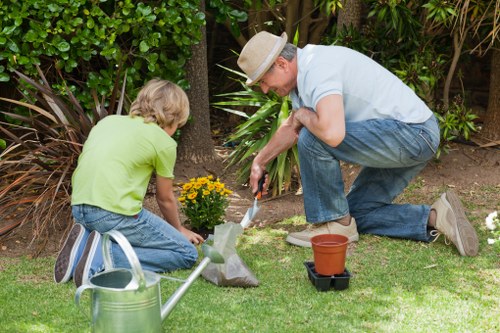 Landscaping Hoxton requires a clear and consistent approach to health and safety in every task, from routine garden maintenance to more complex outdoor works. This policy sets out the standards expected to protect staff, clients, visitors, and members of the public while creating and maintaining safe outdoor environments. It applies to all work activities carried out by the business, including planting, pruning, turf care, hard landscaping, waste handling, and the use of machinery and hand tools.
Our commitment is based on prevention, planning, and responsible working practices. We recognise that landscaping work can involve moving materials, operating equipment, working at height, exposure to weather, and interaction with public spaces. For that reason, health and safety is built into every stage of work, from site assessment through to final clearance. The aim is to reduce risk, avoid injury, and ensure that all tasks are completed safely and efficiently.
All workers are expected to follow safe systems of work, use equipment correctly, and report hazards without delay. The business will provide suitable instruction, supervision, and personal protective equipment where needed. This policy also supports the wider duty to maintain safe working conditions, keep the public protected, and ensure that landscaping activities are delivered in a controlled and professional manner.
Core Safety Principles
Risk assessment is the foundation of our health and safety approach. Before any job begins, a suitable assessment must be carried out to identify hazards, decide who may be harmed, and determine the controls required to reduce risk. These controls may include barriers, signage, safe access routes, restricted working areas, or changes to work methods. Where conditions change during the job, the assessment must be reviewed and updated.
All landscaping personnel must take responsibility for their own safety and that of others. This means working attentively, avoiding rushed tasks, and following agreed procedures at all times. Equipment must only be used by competent persons, and defective items must be taken out of use immediately. Safe behaviour is essential, especially when operating mowers, trimmers, saws, compactors, or other powered tools.
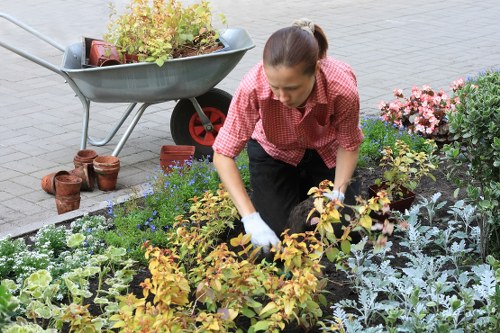 The company will maintain a strong focus on communication. Clear instructions, visible warnings, and regular supervision help ensure that everyone understands the hazards present on site. When work takes place near pedestrians, vehicles, or occupied premises, additional precautions will be introduced to prevent accidental injury and keep the working area secure.
Safe Working Practices in Landscaping
Good housekeeping is a basic but vital part of landscaping health and safety. Work areas must be kept tidy, with tools stored properly and waste removed promptly. Loose materials, trailing cables, slippery surfaces, and obstructed walkways can all create unnecessary dangers. By maintaining order throughout the job, the business reduces the likelihood of slips, trips, falls, and manual handling injuries.
Manual handling is a frequent part of landscaping work and must be managed carefully. Heavy bags, soil, stone, timber, and equipment should be moved using suitable methods, mechanical aids where possible, and team lifting for awkward loads. Workers are expected to plan their movements, avoid twisting under load, and ask for assistance when required. Proper handling techniques help protect backs, shoulders, and joints from strain.
Working with tools and machinery also demands strict control. Guards must remain in place, blades and cutting parts must be checked before use, and machinery must be switched off before cleaning, refuelling, adjusting, or transporting. 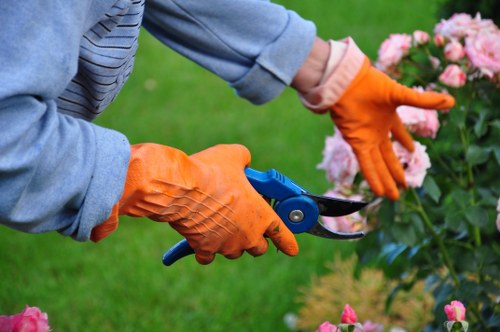 Only trained users may operate equipment that presents a higher level of risk. Where noise, vibration, dust, or flying debris may occur, appropriate protective measures must be used to reduce exposure.
Personal Protective Equipment and Site Controls
Personal protective equipment is provided when hazards cannot be removed completely. Depending on the task, this may include gloves, safety footwear, eye protection, hearing protection, high-visibility clothing, hard hats, or respiratory protection. PPE must be worn correctly, kept in good condition, and replaced when damaged or worn out. However, PPE is only one layer of protection and must always be combined with proper planning and safe behaviour.
Weather conditions can significantly affect outdoor work. Heat, cold, rain, wind, and poor visibility all present challenges for landscaping operations. Work schedules should be adjusted when necessary to avoid unsafe conditions, and workers must take reasonable precautions such as staying hydrated, wearing suitable clothing, and taking rest breaks. Severe weather may require work to stop until it is safe to continue.
Public safety is especially important when landscaping work occurs in shared or accessible areas. Barriers, cones, warning signs, and clear segregation of activities should be used wherever needed to prevent people from entering active work zones.  Special care must be taken when operating near roads, footpaths, entrances, or occupied buildings, with one person assigned to monitor movement if the risk level requires it.
Training, Reporting, and Incident Response
Training ensures that workers understand both the hazards of the trade and the controls required to manage them. New staff must receive induction covering site rules, emergency actions, equipment use, and reporting procedures. Additional training will be given for specialist tasks such as tree work, pesticide handling where applicable, or the use of more advanced machinery. Refresher training is provided when needed to keep skills current and standards high.
Any accident, near miss, injury, or unsafe condition must be reported as soon as possible. Prompt reporting allows corrective action to be taken before harm occurs again. The business will investigate incidents fairly and thoroughly to identify root causes and apply improvements. This approach supports a culture of learning rather than blame and helps strengthen safety performance across all landscaping projects.
First aid arrangements must be suitable for the size and nature of the work. Appropriate supplies should be available, and workers should know the correct response in the event of cuts, burns, sprains, eye injuries, or more serious harm. 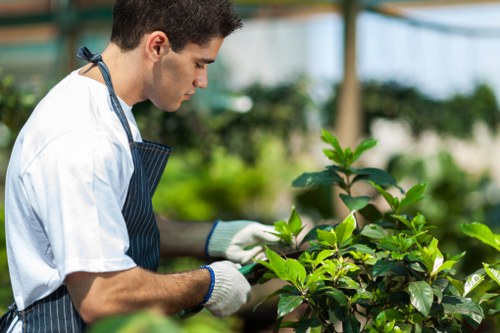 Emergency procedures must be understood by all personnel, including how to raise the alarm, stop work safely, and make the area secure while assistance is arranged.
Monitoring and Review
This policy will be monitored regularly to confirm that it remains effective and relevant. Reviews will take place after significant incidents, changes in working methods, or the introduction of new equipment. Feedback from inspections, observations, and incident reports will be used to improve controls and reinforce safe practice across the business.
Ultimately, landscaping safety depends on everyday discipline, competent supervision, and a shared commitment to care. By following this policy, the business aims to protect people, reduce disruption, and deliver high-quality outdoor work in a responsible and professional way. Every task should be approached with the understanding that safety is not optional; it is an essential part of good landscaping practice.